

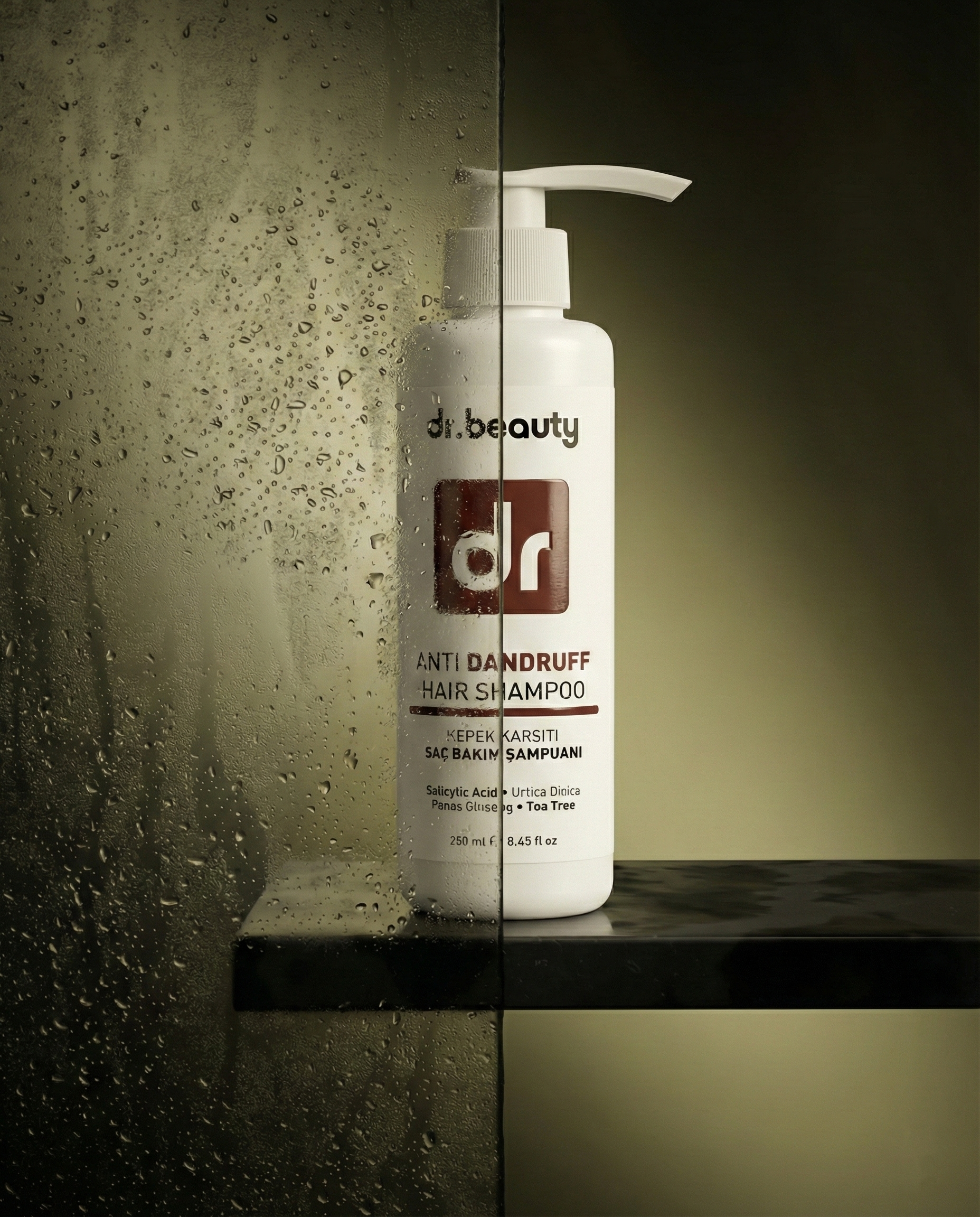
Scalp Detox: The Definitive Solution Against Dandruff and Oily Hair
"Healthy hair starts with a scalp that can breathe. Open up the pores, feel the freshness."
The stress of modern life, air pollution, intensive product use, and inadequate cleansing routines can turn our scalps into virtual toxin reservoirs. Scalp health is not just an aesthetic concern; it is also a physiological reality that directly affects the life cycle of hair follicles, hair growth, and overall hair quality. In this article, we will discuss the scientific basis, application methods, and long-term benefits of scalp detoxification from a professional perspective.
Why does the scalp become clogged?
The scalp is one of the areas of our body with the densest population of sebaceous glands (oil glands). These glands secrete a natural oil called sebum, which protects the hair strands and the surface of the skin. However, an imbalance in sebum production, the accumulation of dead skin cells, residue from silicone-based hair products, and environmental pollutants can create a blockage in the scalp.
This blockage restricts oxygen and nutrient uptake by hair follicles, disrupts microbiome balance, and triggers inflammatory processes. As a result, problems such as dandruff (seborrheic dermatitis), excessive oiliness, itching, redness, and even hair loss occur. From a cosmetic chemistry perspective, solving these problems requires the use of active ingredients that maintain the pH balance of the scalp, open pores, and support microcirculation.
Microcirculation and Follicle Health
Hair follicles need adequate blood flow to stay healthy. Clogged pores and inflammation disrupt microcirculation, hindering the follicles' nourishment process. Active ingredients like salicylic acid, tea tree oil, and menthol, with their keratolytic (dead cell removing) and antimicrobial properties, cleanse the scalp, open pores, and stimulate blood circulation.
Anti-dandruff formulations support microbiome health by maintaining the scalp's pH balance.
5 Steps to Detoxify Your Scalp at Home
A professional scalp detox treatment requires a systematic and scientific approach. Here is a step-by-step guide:
Step 1: Preparation and Brushing
Before washing your hair, gently brush it for 2-3 minutes using a soft-bristled hairbrush or a special scalp massage brush. This process loosens dead skin cells and stimulates blood circulation.
Step 2: Scalp Exfoliation (Optional but Recommended)
A scalp scrub containing salicylic acid or glycolic acid provides chemical exfoliation, deeply cleansing pores. Apply to wet scalp, massage in circular motions, and leave on for 5-10 minutes.
Step 3: Cleansing with Detox Shampoo
Use a sulfate-free (SLS/SLES-free) and pH-balanced detox shampoo. Formulations containing tea tree oil, peppermint extract, or activated charcoal effectively cleanse excess sebum and product residue. Apply the shampoo to the scalp, massage with your fingertips for 2-3 minutes, and rinse thoroughly with plenty of water.
Scalp lotions help restore the microbiome balance after detoxification.
Step 4: Applying Toner or Lotion
After washing, apply a special tonic or lotion to the scalp. Formulations containing panthenol, niacinamide, and probiotics strengthen the scalp barrier and support microbiome balance.
Step 5: Regular Repetition and Maintenance
Scalp detox should be repeated once a week or every two weeks. Overdoing it can disrupt the natural oil balance and, paradoxically, lead to even more oiliness.
Before Detox vs. After Detox: Scalp Comparison
| Parameter | Pre-detox | After Detox |
|---|---|---|
| Pore Condition | Blockage, accumulation of sebum and product residue. | Open, clean and breathable |
| pH Balance | Unstable (usually alkaline) | Optimal (between 4.5 and 5.5) |
| Microbiome | Dysbiosis (increase in harmful microorganisms) | Balanced flora, probiotic support. |
| Sebum Production | Excessive or unbalanced | Regulated, controlled |
| Dandruff and Itching | Distinct, chronic | Reduced or disappeared |
| Hair Follicle Health | Poor microcirculation, inflammation. | Improved blood flow, stronger follicles. |
Conclusion and Recommendations
Scalp detoxification is an essential part of modern hair care. Scientific research shows that regular scalp cleansing is critical not only for aesthetics but also for dermatological health. Problems such as dandruff, excessive oiliness, and hair loss often stem from neglecting scalp health.
With a professional approach, using products containing the right active ingredients, and establishing a regular routine, you can optimize the health of your scalp and reveal the natural beauty of your hair. Remember: Healthy hair starts with a scalp that can breathe.
Always check the ingredient list of the products you will use during your detoxification process. Active ingredients such as salicylic acid, tea tree oil, menthol, niacinamide, panthenol, and probiotic complexes provide scientifically proven benefits. Additionally, choosing sulfate, paraben, and silicone-free formulations will help protect your scalp health in the long term.
Frequently Asked Questions
How often should scalp detoxification be done?
Depending on your scalp type and lifestyle, a detox treatment once a week or every two weeks is recommended. Individuals with excessively oily scalps can do it weekly, while those with normal or dry scalps can do it every two weeks.
How is detox shampoo different from regular shampoo?
Detox shampoos contain higher concentrations of keratolytic agents (salicylic acid, glycolic acid), antimicrobial components (tea tree oil), and pore-opening active ingredients. Regular shampoos, on the other hand, are formulated for daily cleansing and contain gentler cleansers.
Is detoxification sufficient for dandruff problems?
For mild to moderate dandruff problems, regular scalp detoxification and appropriate hair care products are usually sufficient. However, for dermatological conditions such as chronic seborrheic dermatitis or psoriasis, it is essential to consult a dermatologist.
Does scalp detoxification prevent hair loss?
Scalp detoxification can indirectly reduce hair loss by supporting follicle health and improving microcirculation. However, medical treatment may be necessary for genetically or hormonally-induced hair loss. Detoxification is a complementary practice that supports overall hair health.


